
The Unsung Hero of Your Facility: Choosing the Right Concrete Slab for Your Industrial Warehouse
The floor of your industrial warehouse is the foundation of your entire operation. It’s more than just a surface to walk on; it’s the platform that supports heavy machinery, withstands constant forklift traffic, and bears the weight of your inventory. Choosing the wrong concrete slab can lead to premature cracking, surface deterioration, and unevenness, resulting in costly operational downtime, safety hazards, and expensive repairs that disrupt your business. For businesses in Mississauga and across the 905, getting this foundational element right from the start is a critical investment in long-term productivity and profitability. At S&P Group, we understand that a high-performance industrial slab isn't a commodity—it's an engineered solution. This guide will walk you through the essential factors to consider when planning a concrete slab that is built to last.
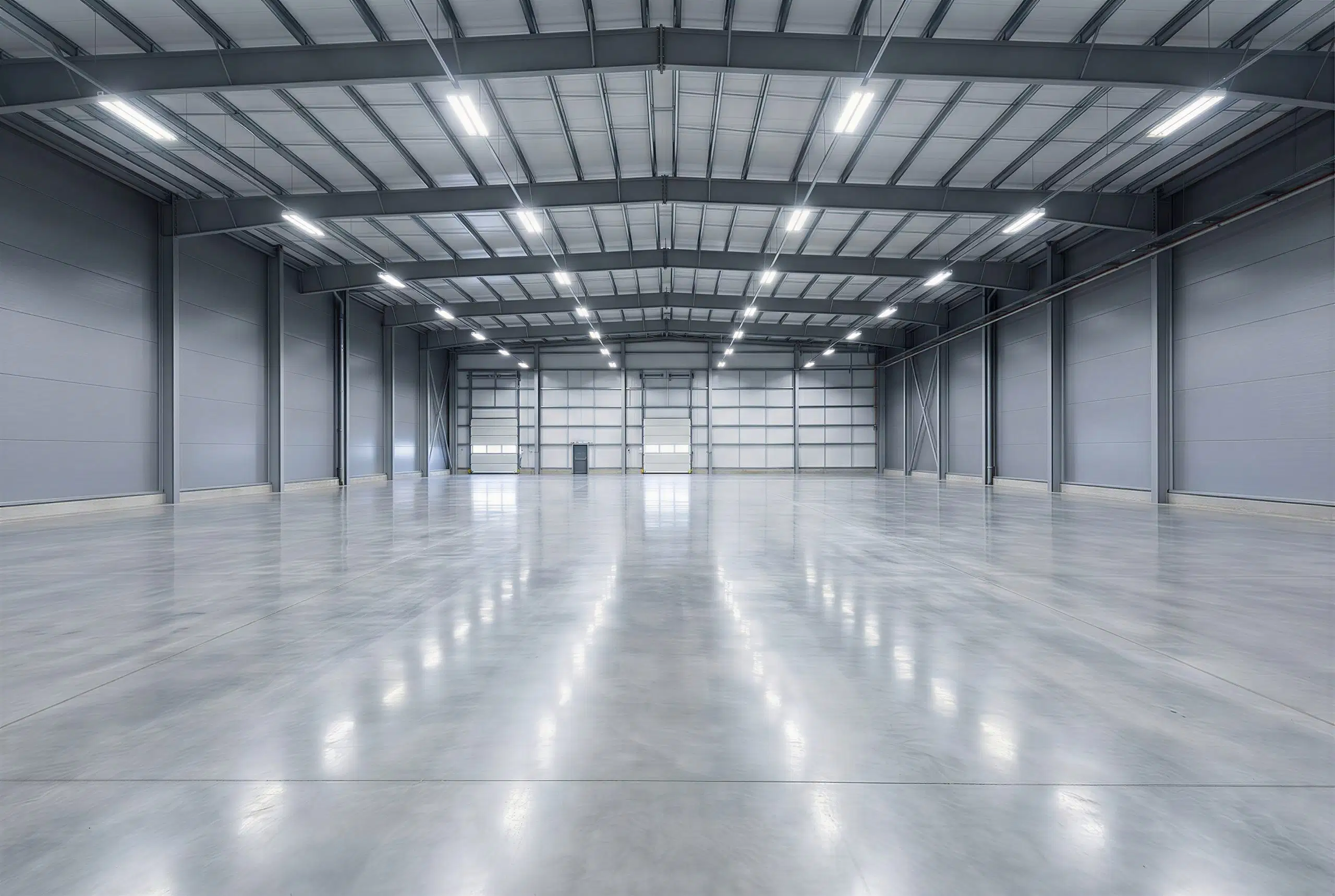
Beyond the Surface: Key Factors in Designing a High-Performance Slab
Designing an industrial concrete slab is a science that balances structural requirements with daily operational demands. A one-size-fits-all approach simply doesn't work. Here are the critical variables that our team analyzes to engineer the perfect solution for your facility.
Load Capacity: Static and Dynamic Forces
This is the most crucial factor. We need to understand exactly what the floor will endure.
- Static Loads: These are stationary forces, such as heavy-duty racking systems, stored materials, and permanently placed machinery. We calculate the total weight and pressure points to prevent sinking or stress fractures.
- Dynamic Loads: These are moving forces, primarily from forklifts, pallet jacks, and other vehicles. We consider not just the weight of the vehicle but also the impact of its movement, turning, and braking. The specifications for a logistics center with constant high-traffic are vastly different from a light manufacturing facility.
Reinforcement: The Skeleton of Your Slab
Reinforcement gives concrete the tensile strength it needs to resist cracking and structural failure. The right choice depends on the load requirements and budget.
- Welded Wire Mesh: A common choice for light-duty slabs, providing good general crack control.
- Rebar (Reinforcing Steel Bars): Essential for slabs supporting heavy machinery and high-stack racking. A grid of rebar provides superior structural integrity and load-bearing capacity.
- Fiber Reinforcement: Micro or macro synthetic fibers mixed into the concrete can reduce shrinkage cracking and improve impact resistance, often used in conjunction with rebar for optimal performance.
Subgrade Preparation: The True Foundation
The performance of your concrete slab is only as good as the ground beneath it. Improper subgrade preparation is a leading cause of slab failure. This involves ensuring the soil is properly compacted and graded to create a stable, uniform base that can support the slab and its intended loads without shifting or settling over time.
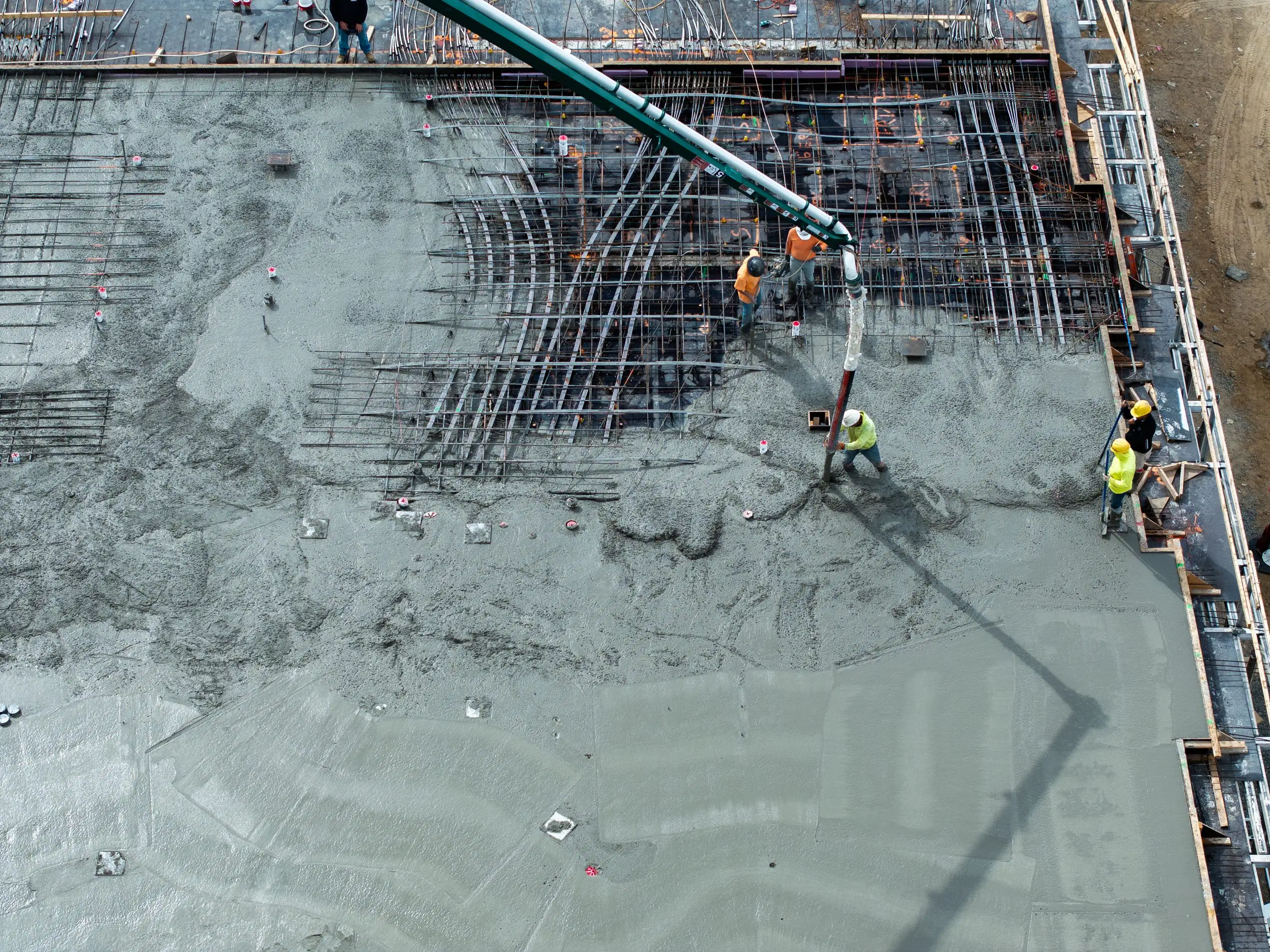
The S&P Group Process: From Engineering to Execution
Achieving a durable, long-lasting industrial floor requires more than just quality materials; it demands meticulous planning and expert execution. Our process is built on transparency and a deep understanding of concrete's structural properties, ensuring your project stays on schedule and within budget.
1. In-Depth Consultation and Design: We begin by understanding your business operations. What kind of machinery will you use? What are your racking layouts? How will traffic flow? This information allows us to engineer the ideal concrete slab thickness, reinforcement plan, and concrete mix design tailored to your specific needs.
2. Precision Forming and Reinforcement: Our expertise in concrete forming work is critical at this stage. We construct precise forms to contain the concrete and meticulously place the rebar or mesh according to the engineering specifications. This ensures the structural integrity is built in before a single drop of concrete is poured.
3. Quality Materials and Expert Placement: We maintain strong relationships with trusted material suppliers to source high-quality, consistent concrete mixes. Our team of skilled tradespeople then expertly pours and finishes the slab, paying close attention to creating a level, durable surface and strategically placing control joints to manage potential cracking effectively.
4. Curing and Sealing: The job isn't done when the concrete is hard. Proper curing is essential for the slab to reach its maximum design strength. We also recommend appropriate sealers or coatings to protect the surface from abrasion, chemical spills, and moisture, making it easier to clean and maintain for years to come.
Build a Foundation for Success
Your industrial warehouse floor is a critical asset that directly impacts your operational efficiency, safety, and bottom line. Investing in a properly designed and professionally installed concrete slab from the outset prevents costly disruptions and ensures your facility is built on a foundation of strength and reliability. By considering load capacity, reinforcement, and expert execution, you create a surface that can withstand the rigors of your industry for decades.
If you're planning a new industrial facility or upgrading an existing one in the Mississauga area, don't leave your most important surface to chance. Contact S&P Group today to schedule a consultation. Let our experts in commercial concrete slabs and forming work engineer a durable, high-performance solution that supports your business's growth.