
Don't Let Winter Freeze Your Plans: A Guide to Cold-Weather Concrete and Foundation Protection
Many people believe that once the temperature drops, all construction projects, especially those involving concrete, must grind to a halt until the spring thaw. It’s a common assumption here in Mississauga and across the GTA that winter means delays. However, with modern techniques and expert knowledge, pouring concrete in cold weather is not only possible but can be executed with the same high standards of quality and durability as any other time of year. The key is understanding the challenges and knowing how to manage them effectively.
This guide will walk you through the essentials of winter concrete work. We'll explore why cold weather poses a risk to fresh concrete, detail the professional methods we use to ensure a successful pour, and discuss how to protect your home's most critical element—its foundation—from the harsh effects of an Ontario winter. Don't let the season dictate your project timeline; let's build year-round.
The Science Behind Cold-Weather Concrete Challenges
Pouring concrete is a chemical process, not just a matter of drying. The mixture cures through a reaction called hydration, where water and cement particles combine to form strong, crystalline bonds. Cold weather throws a wrench into this process in two significant ways:
-
Freezing Temperatures: If the water within the fresh concrete mix freezes before it has a chance to cure, it expands by about 9%. This expansion creates immense pressure within the concrete, leading to a weak, porous final product with significantly reduced strength and a high risk of cracking and spalling down the road.
-
Slowed Hydration: The hydration process generates its own heat, but cold ambient temperatures can sap this heat away, slowing the chemical reaction to a crawl. If concrete doesn't reach a minimum strength (typically around 500 psi) before it freezes, it can be permanently damaged. A slow cure also means the project takes longer to reach the point where forms can be removed and the next phase of construction can begin, addressing a major pain point for clients concerned about project delays.
Successfully navigating these challenges requires more than just waiting for a sunny day; it demands a proactive, scientific approach to protect the integrity of the pour from start to finish.
Techniques for a Successful Winter Concrete Pour
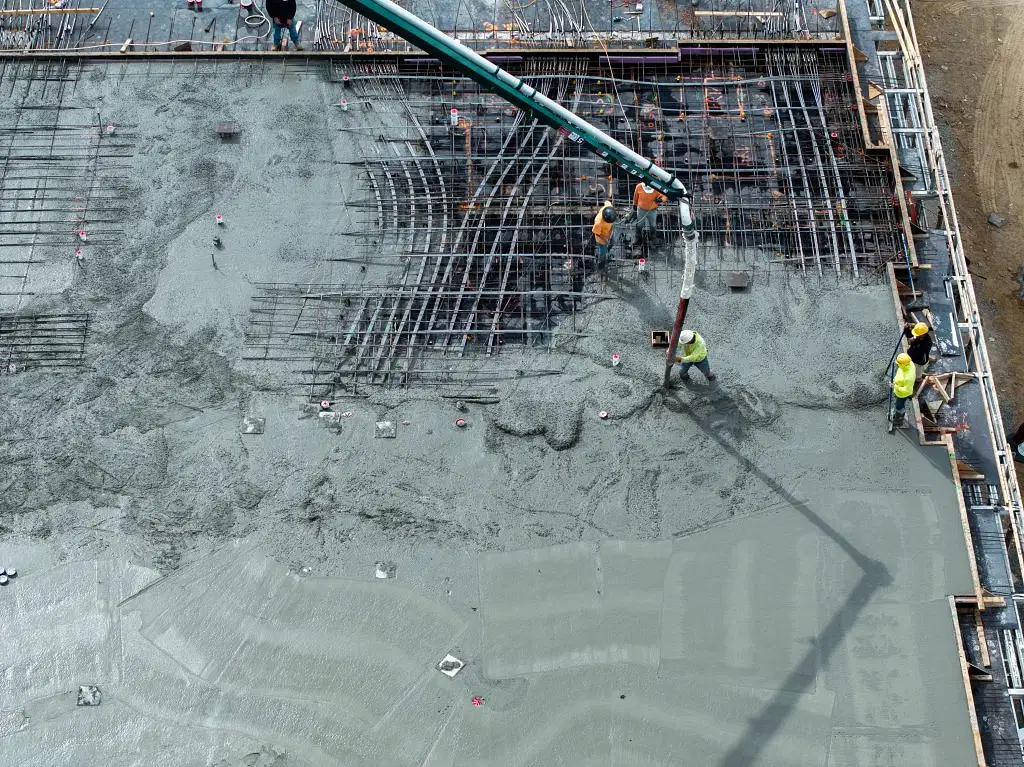
At S&P Group, we don't let winter stop us. We leverage proven methods and high-quality materials to ensure every cold-weather project meets our stringent standards for quality and longevity. Our process addresses every stage of the pour to mitigate the risks of cold.
-
Ground Preparation: We never pour concrete on frozen ground. Frozen soil can settle when it thaws, causing the slab or foundation to crack. We use specialized ground-thawing blankets to ensure the subgrade is stable and at a proper temperature before any concrete forming work begins.
-
Optimizing the Concrete Mix: We work with our trusted material suppliers to adjust the concrete mix itself. This often involves using hot water in the mix, which gives the hydration process a head start. We may also incorporate accelerating admixtures to speed up the curing time and air-entraining agents that create microscopic air pockets, providing space for any freezing water to expand without damaging the concrete.
-
Protection and Curing: Once the concrete is poured, protecting it from the cold is paramount. This is where the real expertise comes in. We cover freshly poured concrete slabs and foundations with insulated curing blankets. These trap the heat generated by hydration, creating a warm micro-environment that allows the concrete to cure properly. In very cold conditions, we can even build heated enclosures around the work area to maintain an optimal curing temperature.
By using modern project management and clear communication, we ensure our clients understand these necessary steps and feel confident in the durability of their winter project.
Protecting Your Foundation from Frost Heave
Beyond the pour itself, a major concern in our climate is protecting the foundation from frost heave. This phenomenon occurs when water in the soil freezes and expands, exerting powerful upward pressure on footings and foundation walls. Over time, this can lead to significant structural damage, cracked walls, and uneven floors.
A properly constructed foundation is your home's best defense. Here’s what’s essential for long-term protection:
-
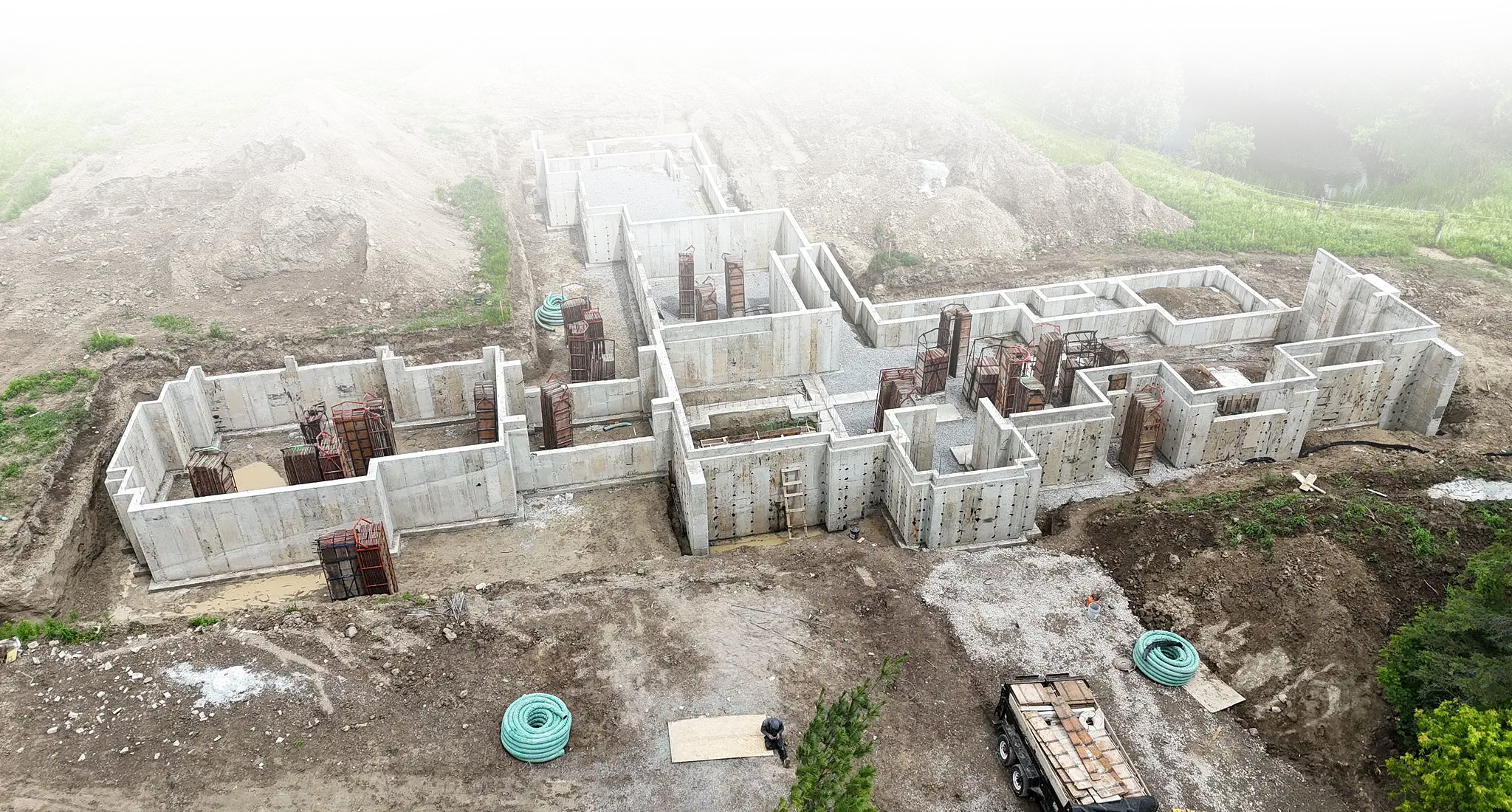
Proper Footing Depth: Building codes require that concrete foundations are placed on footings that sit below the local frost line. This ensures the base of your home is anchored in soil that doesn't freeze, preventing it from being lifted by frost heave.
-
Effective Drainage: Water is the fuel for frost heave. A robust drainage system, including weeping tile around the perimeter of the footings and the use of granular backfill material like gravel, is critical. This system directs water away from the foundation, keeping the surrounding soil drier and less susceptible to freezing and expansion.
-
Waterproofing and Insulation: Applying a waterproof membrane to the exterior of foundation walls prevents moisture from seeping into the concrete. In some cases, adding rigid foam insulation to the exterior can also help keep the surrounding soil warmer, further reducing the risk of frost.
Investing in a well-designed and expertly built foundation is the single most important step in ensuring the long-term structural integrity of your home, protecting it from the powerful forces of an Ontario winter.
Build with Confidence, No Matter the Season
Winter doesn't have to mean putting your construction or renovation dreams on ice. With the right team, advanced techniques, and a deep understanding of how to work with our climate, projects can move forward successfully year-round. From ensuring a perfect concrete cure in sub-zero temperatures to building robust foundations that stand up to frost heave, the key is expertise and an unwavering commitment to quality.
If you're planning a project in the Mississauga area and thought you had to wait for spring, think again. Whether you need a new foundation, a durable concrete slab, or complex forming work, our team is equipped to deliver exceptional results in any season. Contact S&P Group today to discuss your project and learn how we can get started.